What Paperwork Do I Need to Sell My Car in BC?
Use this practical checklist to prepare the registration, transfer, ownership and supporting documents commonly needed for a private vehicle sale in British Columbia. It also explains liens, missing paperwork and special ownership situations before you hand over a vehicle.
- APV250 registration explained
- APV9T transfer steps
- Plates, liens and records covered
Start with the right records
A Clean Vehicle Sale Starts Before the Keys Change Hands
Vehicle transfer rules and forms can change. Check the current official instructions before completing your transaction.
Selling a vehicle involves more than agreeing on a price. The seller must be entitled to sell it, identify the correct vehicle, complete the applicable transfer documents, remove the licence plates and retain useful transaction records. Preparing these items early can prevent a rushed search for paperwork while a buyer is waiting.
The normal paperwork needed to sell a car in BC includes the signed vehicle registration portion associated with the insurance document and a completed Transfer/Tax Form. Ownership becomes more complicated when a loan remains, documents are missing, a company owns the vehicle, the registered owner has died or more than one person appears on the registration.
This guide provides a practical path through those situations and links directly to official sources. Review ICBC’s current instructions for selling a used vehicle, and ask an Autoplan broker about facts that are specific to your registration.
Quick document checklist
What to Gather Before Selling a Vehicle in BC
A standard transaction usually starts with the following records. Extra authority or lender documents may be required for a special ownership situation.
Original Registration
Find the vehicle registration portion associated with your BC insurance document, commonly identified as APV250. Confirm the owner name and vehicle details are readable.
Current APV9T Form
Use the current official Transfer/Tax Form. Complete the vehicle, seller, purchaser and transaction sections according to ICBC’s instructions.
Photo Identification
Prepare valid government-issued identification for the people completing the transfer. Ask an Autoplan broker what identification your case requires.
Keys and Vehicle Items
Gather all available keys, remotes and agreed accessories. Record what is included so the handover is clear to both parties.
Lien Information
If financing remains, request current payout instructions from the lender and disclose the security interest before anyone relies on the agreed sale.
Authority to Sign
Prepare estate, corporate, power-of-attorney or co-owner records when the person handling the transaction is not the sole registered owner.
Check every VIN. Compare the vehicle identification number on the registration and transfer form with the VIN displayed on the vehicle. Stop and ask an Autoplan broker for guidance if the information does not match.
Two documents, different jobs
APV250 Registration and APV9T Transfer Form Explained
The document codes can sound similar. One helps show how the vehicle is registered; the other records the proposed transfer and tax information.
Vehicle Registration Portion
In BC, insurance and registration information appear together. The registration portion identifies the registered owner and vehicle. The seller normally signs the applicable registration portion as part of the transfer process.
- Check the registered owner’s name
- Compare the VIN with the vehicle
- Use the original document where required
- Ask a broker about a lost document
Transfer/Tax Form
The APV9T records the vehicle, seller, purchaser, price, odometer and other transaction details. Use the current form, complete all required pages and provide original signatures where ICBC requires them.
- Use true transaction information
- Complete all required fields and pages
- Never sign an empty form
- Open the official APV9T PDF
Seven-step BC sale checklist
How to Prepare the Paperwork and Complete the Handover
Follow the sequence that fits your transaction and confirm unusual facts with an Autoplan broker. The official process takes priority over this summary.
Confirm You Are Entitled to Sell the Vehicle
Start with the registration. The seller’s identity and signing authority should agree with the ownership record. If a company, estate, attorney or family member is involved, determine which supporting documents and signatures are needed before arranging the handover.
Do not sign for another person or present yourself as the registered owner without lawful authority. A broker can explain what evidence applies to the specific registration.
Find and Check the APV250 Registration
Locate the original insurance and vehicle registration document. Review the registration portion, commonly called APV250, and compare the owner name, vehicle description and VIN with the vehicle being sold.
- Owner name is correct
- VIN matches the vehicle
- Document is readable
- Required owners can sign
Prepare the Current APV9T Transfer/Tax Form
Enter the vehicle, seller, purchaser, selling price, odometer and declaration information accurately. ICBC’s seller instructions say the seller should complete and sign the APV9T after receiving payment. Follow the current official form and broker instructions for the transaction.
Do not use an old copy from an unrelated website. Download the current official APV9T Transfer/Tax Form.
Resolve a Lien or Outstanding Vehicle Loan
Disclose any financing or registered security interest. Ask the lender for a current payout figure, payment instructions and the evidence that will show the debt has been discharged. The right arrangement depends on the lender, the balance and the buyer’s policy.
Contact True North before booking if money remains owing so the situation can be reviewed. Do not assume every financed vehicle can be purchased through the same process.
Confirm the Amount and Payment Before Release
Agree on the final amount, payment method and timing in advance. Verify that payment has been received through an appropriate method before signing documents or allowing the vehicle to leave. A screenshot, email or verbal promise by itself may not establish that funds are available.
Ask True North to confirm its exact payment and document sequence for your transaction before the appointment.
Remove Your Licence Plates and Personal Data
ICBC tells sellers to remove the licence plates from a sold vehicle. Ask an Autoplan broker whether the plates should be returned or can be transferred. Also remove parking permits, access tags, garage controls, personal papers and stored digital information.
- Licence plates removed
- Phones unpaired
- Navigation data cleared
- Personal items collected
Complete the Transfer Through an Autoplan Broker
ICBC strongly recommends that the seller and buyer visit an Autoplan broker together. This allows the transfer to be processed and gives the seller an opportunity to address plates and insurance. ICBC also says the buyer must register the vehicle within 10 days.
If both parties cannot attend together, follow ICBC’s current recordkeeping advice, retain copies where permitted and ask a broker how to protect the transaction record.
Outstanding vehicle financing
Can You Sell a Car With a Lien in BC?
A sale may be possible, but the loan and registered security interest must be handled openly. The buyer needs to understand how the lender will be paid and how discharge will be documented.
Start by asking the lender for a dated payout statement. Compare the amount owing with the proposed sale amount. If the debt is higher than the offer, the seller may need to cover the difference before the lender will release its interest. If the offer is higher, the transaction needs a clear plan for the lender’s payout and any remainder.
Do not advertise a vehicle as lien-free until that is true. A private lien search, lender letter and formal discharge serve different purposes; ask a broker, lender or lawyer which evidence the transaction requires.
When the normal checklist is not enough
Missing Registration, Estates, Companies and Multiple Owners
These situations require more than a handwritten note. Identify the legal owner and obtain the required authority before treating the vehicle as ready for sale.
Selling a Vehicle Without Registration Papers
Losing the APV250 does not make ownership verification optional. ICBC has a process for vehicles without documentation, but the evidence depends on how the vehicle was acquired and which records remain available.
The process may involve a record search, bills of sale, declarations, proof connected to the VIN, a vehicle inspection or other steps. Read ICBC’s registration-without-documentation guidance and speak with an Autoplan broker before arranging the sale.
Selling a Vehicle After the Owner Has Died
The executor, administrator, surviving owner or other authorized person may need estate records, a death certificate and transfer documents. The exact list depends on how the vehicle was registered and how the estate is being handled.
Do not sign the deceased person’s name. Use ICBC’s deceased-owner information and confirm the case with an Autoplan broker or the estate’s legal adviser.
Selling a Company-Owned Vehicle
The person signing must have authority to act for the company. Prepare the vehicle registration, the authorized signer’s identification, the company’s correct legal name and any corporate authorization an Autoplan broker or transaction document requires.
Disclose company financing and use consistent legal names on the APV9T, purchase agreement, receipt and payment instructions. Keep the company copy with its asset-disposal and accounting records.
Selling With More Than One Registered Owner
Read the registration carefully and confirm who must sign. Do not assume that one owner can complete the sale for everyone listed, even when the vehicle is in that person’s possession.
If an owner is unavailable, outside BC or unable to sign, ask an Autoplan broker which authority or original documents are acceptable before setting the handover date.

Keep a clear transaction record
What Should a Vehicle Bill of Sale Include?
A separate bill of sale or purchase agreement can record what the parties agreed. It should match the APV9T and other documents rather than introduce a different price, identity or vehicle description.
- Date and time of sale
- Buyer and seller legal names
- Addresses and contact details
- Year, make and model
- Complete vehicle VIN
- Odometer reading
- Agreed selling price
- Payment method and status
- Keys and items included
- Known condition disclosures
- Names of authorized signers
- Buyer and seller signatures
Planning a sale to True North
How to Prepare Your Documents Before Requesting an Offer
Accurate vehicle and ownership information helps separate a straightforward sale from a case that needs a lender, estate or broker review.
Describe the Vehicle Accurately
Share the year, make, model, mileage, running condition, major damage, location and VIN when requested. Use recent photographs that show the actual vehicle.
State the Ownership Situation Early
Say whether the registration is in your name and disclose missing documents, another owner, company ownership, an estate or an active vehicle loan before an appointment is arranged.
Ask for the Exact Transaction Sequence
Before signing, ask True North to confirm the final offer, payment method, purchase documents, Autoplan transfer arrangement and records you will receive for that transaction.
Keep Official Advice in the Right Place
True North can discuss a proposed purchase, while ICBC and Autoplan brokers handle vehicle registration guidance. A lender or lawyer may be needed for a lien, estate or disputed ownership.
True North considers complete vehicles for purchase. It does not operate a retail parts counter or sell individual vehicle parts. If you have a complete damaged or non-running car, use the service route below.
Choose the right vehicle-selling route
Paperwork Ready? Match Your Vehicle to the Right Service
True North reviews vehicles in different conditions. These pages explain what information to send for a used car, a damaged vehicle or a larger specialty unit.
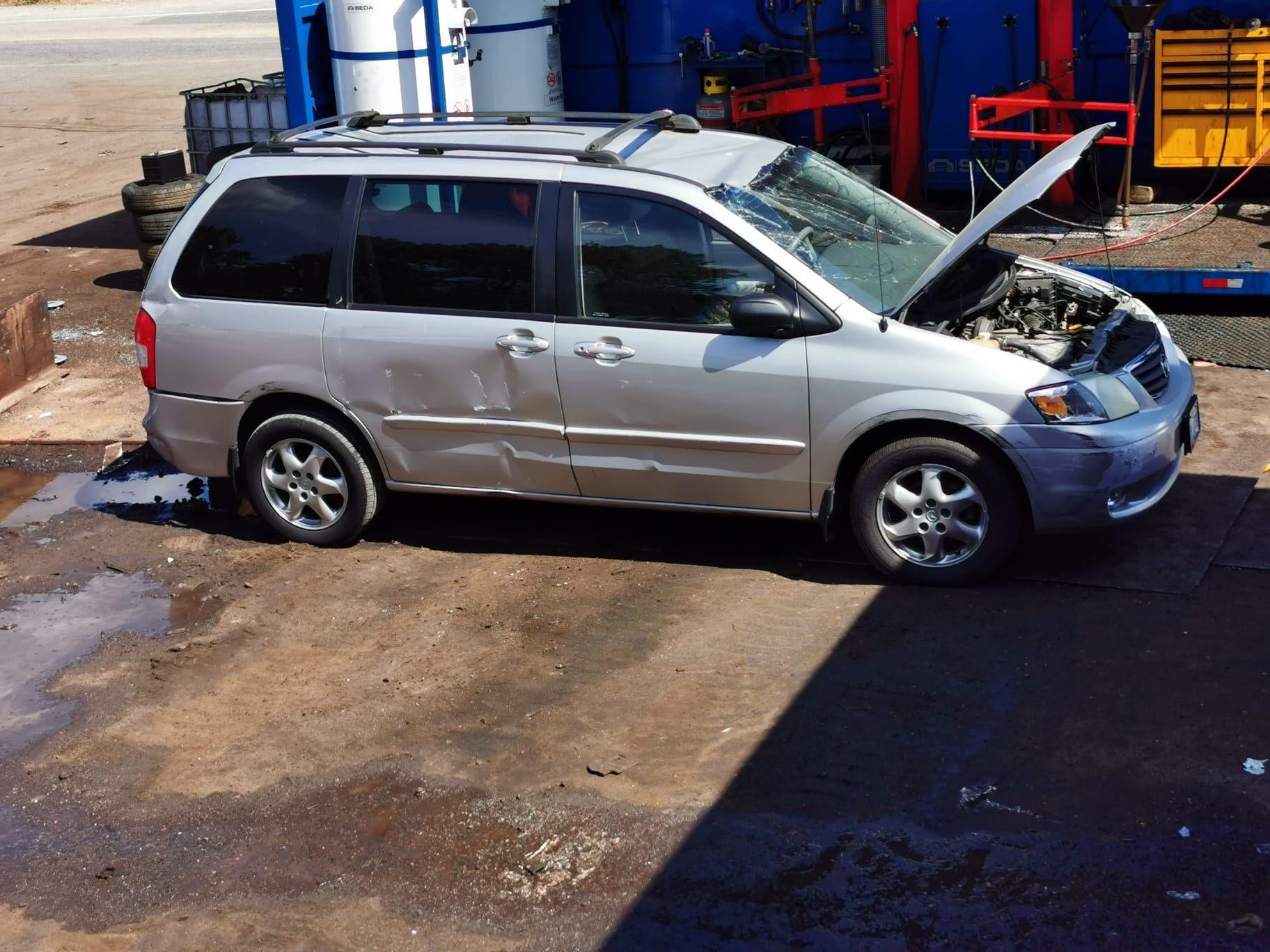
Sell My Used Car in Chilliwack
Learn what to send when you want an offer for a running car, SUV, van or pickup without preparing a public listing.
View the used-car selling service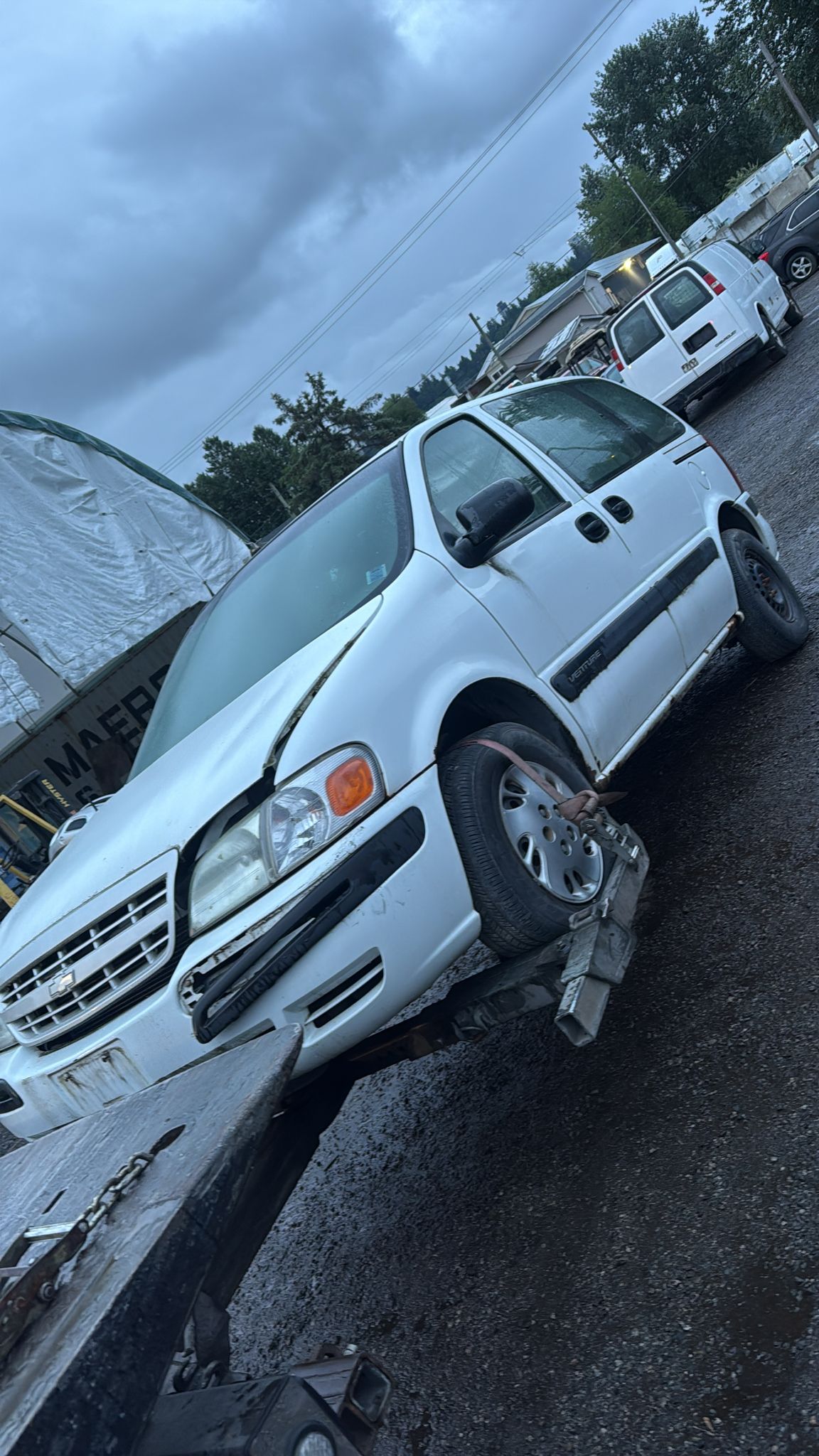
Sell a Damaged or Unwanted Car
See the information needed for a complete old, damaged or non-running vehicle. Individual parts are not purchased or sold.
View the unwanted-vehicle service
Specialty Vehicles and Equipment
Prepare identity, specifications, condition photographs, ownership information and access details for an individual review.
View specialty vehicle requirementsLocal contact point
Vehicle Purchase Enquiries in Chilliwack
True North Scrap Car Solutions is located at 46021 Second Ave in Chilliwack. Contact the business before visiting to discuss the vehicle, its location and the documents available.
- Chilliwack
- Sardis
- Vedder
- Yarrow
- Rosedale
- Nearby communities
Common paperwork questions
Selling a Car in BC: Frequently Asked Questions
These answers summarize the usual issues. An Autoplan broker should confirm the current requirements for your registration.
Request a Vehicle OfferWhat paperwork is normally needed to sell a car in BC?
A typical sale starts with the original signed vehicle registration portion commonly identified as APV250, a completed current APV9T Transfer/Tax Form and acceptable identification. You may also need lien, estate, corporate or authorization records. Compare the VIN on the documents with the vehicle and confirm the exact requirements with an Autoplan broker.
What is the APV250?
APV250 commonly refers to the vehicle registration portion associated with the owner’s BC insurance and registration document. It identifies the registered owner and vehicle. The seller normally provides the applicable signed original registration portion during the transfer process, following ICBC and Autoplan broker instructions.
What is the APV9T Transfer/Tax Form?
The APV9T is ICBC’s Transfer/Tax Form. It records details about the vehicle, seller, purchaser, price, odometer and declarations connected with the transaction. Use the current official form, complete all required pages accurately and provide original signatures where required.
Should I sign the APV9T before I am paid?
ICBC’s used-vehicle selling instructions tell the seller to complete and sign the Transfer/Tax Form after receiving payment. Agree on the final amount, method and timing beforehand, verify the payment appropriately and ask an Autoplan broker to confirm the sequence for an unusual transaction.
Do I remove the licence plates when selling my car in BC?
Yes. ICBC tells the seller to remove the licence plates before the vehicle leaves. Plates remain ICBC property. Ask an Autoplan broker whether you should return them or can transfer them to another vehicle, and address the related insurance after the sale.
Can I sell a car if I lost the registration?
It may be possible, but missing registration is not a normal shortcut sale. ICBC’s process depends on how the vehicle was acquired and what proof remains. A record search, bills of sale, declarations, inspection or other evidence may be needed. Contact an Autoplan broker before arranging the transaction.
Can I sell a vehicle that still has a loan or lien?
A sale may be possible when the lien is disclosed and the lender’s payout and discharge requirements can be completed. Obtain a current payout statement and contact True North before arranging a sale. The process depends on the lender, balance owing and buyer’s policy.
Can someone sell a vehicle for a family member?
Only when the person has the authority and supporting documents required for that situation. Possession of the keys or verbal permission may not be enough. Ask an Autoplan broker what original authority, identification and signatures are needed before the transaction.
What if a company or more than one person owns the vehicle?
For a company vehicle, an authorized person should sign using the company’s correct legal information and provide supporting authority where required. For multiple registered owners, confirm which owners must sign. An Autoplan broker can explain the documents needed for the specific registration.
Do I need a separate bill of sale and should I cancel my insurance?
The APV9T and signed registration are central BC transfer documents. A consistent bill of sale or purchase agreement can add a useful record of the date, parties, VIN, price and payment. After the sale, contact an Autoplan broker to cancel or transfer insurance and deal with the removed plates.
Ready to Request an Offer for Your Vehicle?
Have the year, make, model, condition, location and ownership situation ready. True North can review the vehicle information, while ICBC or an Autoplan broker can confirm the official transfer requirements.